Nobel laureates
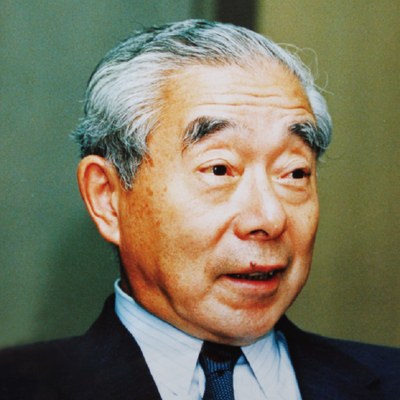
Dr. Kenichi Fukui
Years of Award / Field
1981 / Nobel Prize in Chemistry
Field of Specialization
Theoretical Chemistry
Major Achievements: Frontier Orbital Theory
He mathematically demonstrated that specific electronic orbitals within molecules (frontier orbitals) play a crucial role in chemical reactions.
Social and Scientific Impact
He made it possible to theoretically explain chemical reaction predictions—which had previously relied heavily on empirical rules—through computation. He was the first Asian recipient of the Nobel Prize in Chemistry and is recognized as one of the founders of modern computational chemistry.
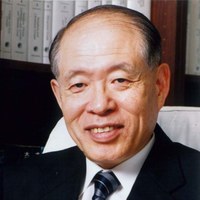
Dr. Ryoji Noyori
Years of Award / Field
2001 / Nobel Prize in Chemistry
Field of Specialization
Organic Synthetic Chemistry
Major Achievements: Pioneering Asymmetric Reactions by Chiral Catalysts
He developed special catalysts (such as BINAP-Ru), which are capable of producing only one of the two mirror-image molecules (enantiomers), which are akin to a right hand and a left hand, in a mirror-image relationship.
Social and Scientific Impact
In the manufacture of pharmaceuticals and fragrances, this technology makes it possible to efficiently produce only the desired components, avoiding the generation of unwanted isomers that can cause side effects. It has been widely adopted for industrial applications.
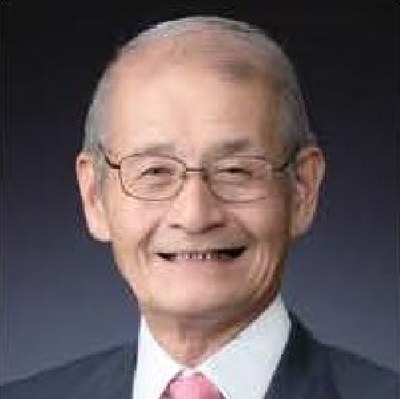
Dr. Akira Yoshino
Years of Award / Field
2019 / Nobel Prize in Chemistry
Field of Specialization
Electrochemistry and Battery Engineering
Major Achievements: Development of Lithium-Ion Rechargeable Batteries
He established the basic configuration for lightweight, high-power, rechargeable lithium-ion batteries, by using lithium cobalt oxide as the cathode and a special carbon material as the anode.
Social and Scientific Impact
This innovative work has supported the widespread adoption of mobile IT devices such as laptops and smartphones, helping to realize today’s “mobile society.” Currently, it is contributing to solving environmental issues through its application in electric vehicles (EVs) and energy storage systems for renewable energy.
Dr. Susumu Kitagawa
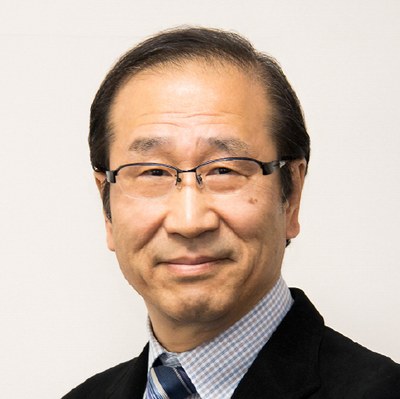
Years of Award / Field
2025 / Nobel Prize in Chemistry
Field of Specialization
Coordinate Chemistry and Materials Chemistry
Major Achievements: Development of Porous Coordination Polymers (PCP/MOF)
He developed a new porous material containing countless tiny holes (pores) at the nanoscale by assembling metal ions and organic molecules in a manner resembling a jungle gym.
Social and Scientific Impact
Unlike conventional porous materials such as activated carbon and zeolites, this approach is revolutionary because it enables the flexible design of pore size and properties. It is being researched worldwide as a potential solution to environmental and energy issues, such as carbon dioxide storage and separation, and gas purification, which can have side effects. It has been widely adopted for industrial applications.